



Balancing privacy and AI legislation with retail safety technology
)
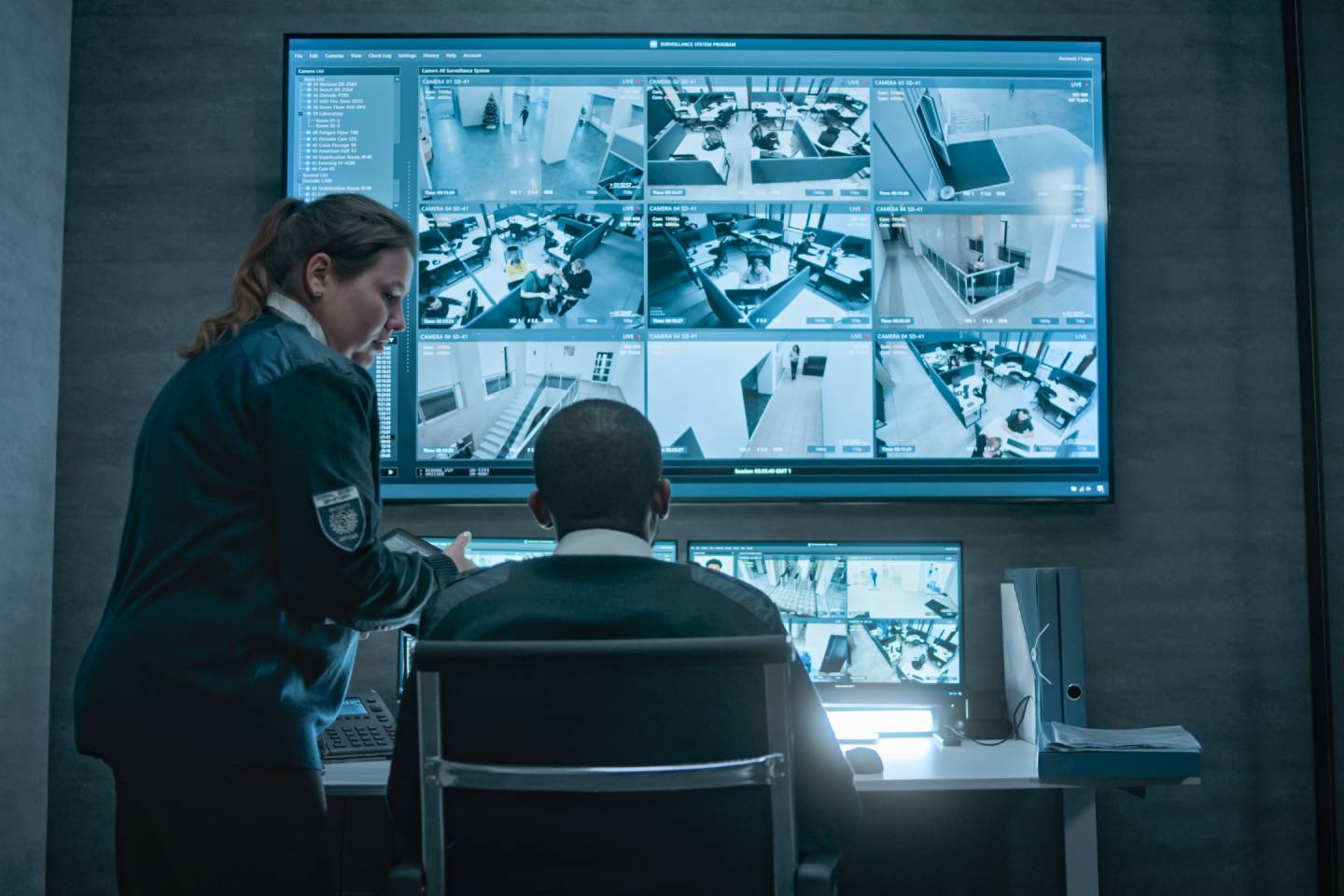
As retailers and communities across the nation confront high levels of retail theft, violence and organized retail crime, many are looking toward advanced technologies to protect workers, customers and assets. Tools such as AI-enabled cameras, intelligence video analytics, facial recognition and body-worn cameras have become essential in identifying threats, deterring repeat offenders, de-escalating violence and accelerating investigations.
Combating Organized Retail Crime Act
In May, the U.S. House of Representatives passed the Combating Organized Retail Crime Act.
But here in the United States, these powerful emerging technologies intersect directly with privacy legislation — a space where lawmakers must balance civil liberties and consumer privacy with urgent safety and security needs.
Several U.S. states have introduced and are advancing well-intentioned legislation that risks prohibiting some of these safety-critical technologies. While aimed at individual privacy protection, several introduced bills contain such broad restrictions into a retailer’s use of biometric data that it could affect routine safety capabilities — capabilities that could assist consumers against fraud, detect lost or abducted children, or prevent a known violent offender from causing harm during repeated theft of goods.
Additionally, some states may impose such strict notice or consent requirements for use of these technologies that it fragments the overall regulatory environment, causing compliance complexity for multi-state retailers.
For retailers, understanding the need for strict governance around biometric data is critical. Unlike replacing a lost or forgotten password, a fingerprint or face cannot be changed. The retail industry, along with our technology partners, must commit to strong governance and clear communication about how and why these tools are used and the benefits they provide.
Transparency around the purpose of its use in a location, communication around data capture and retention, and clear standards are all critical for the responsible deployment of these safety and security technologies.
For lawmakers, the path forward requires nuance and education. There’s no question that privacy protections must remain strong, especially for sensitive consumer and biometric data. However, legislators should recognize that retailers today operate in a uniquely different environment involving theft, crime and violence. The National Retail Federation provides an educational platform for legislators seeking a greater understanding how the use of these technologies in the retail environment will improve safety, security and crime prevention.
Most importantly, the retail industry and its solution providers can demonstrate how the use of these technologies by the retailer actually protects the consumer from a privacy perspective.
Striking a balance is essential. Regulations that are too restrictive or ambiguous can unintentionally limit a retailer’s ability to provide a safe working and shopping environment. Privacy and security are not opposing forces — they must be complementary to provide safe, trustworthy and resilient retail environments.